
If you grew up in the 90s, you’ll probably remember it.
Crescent moons.
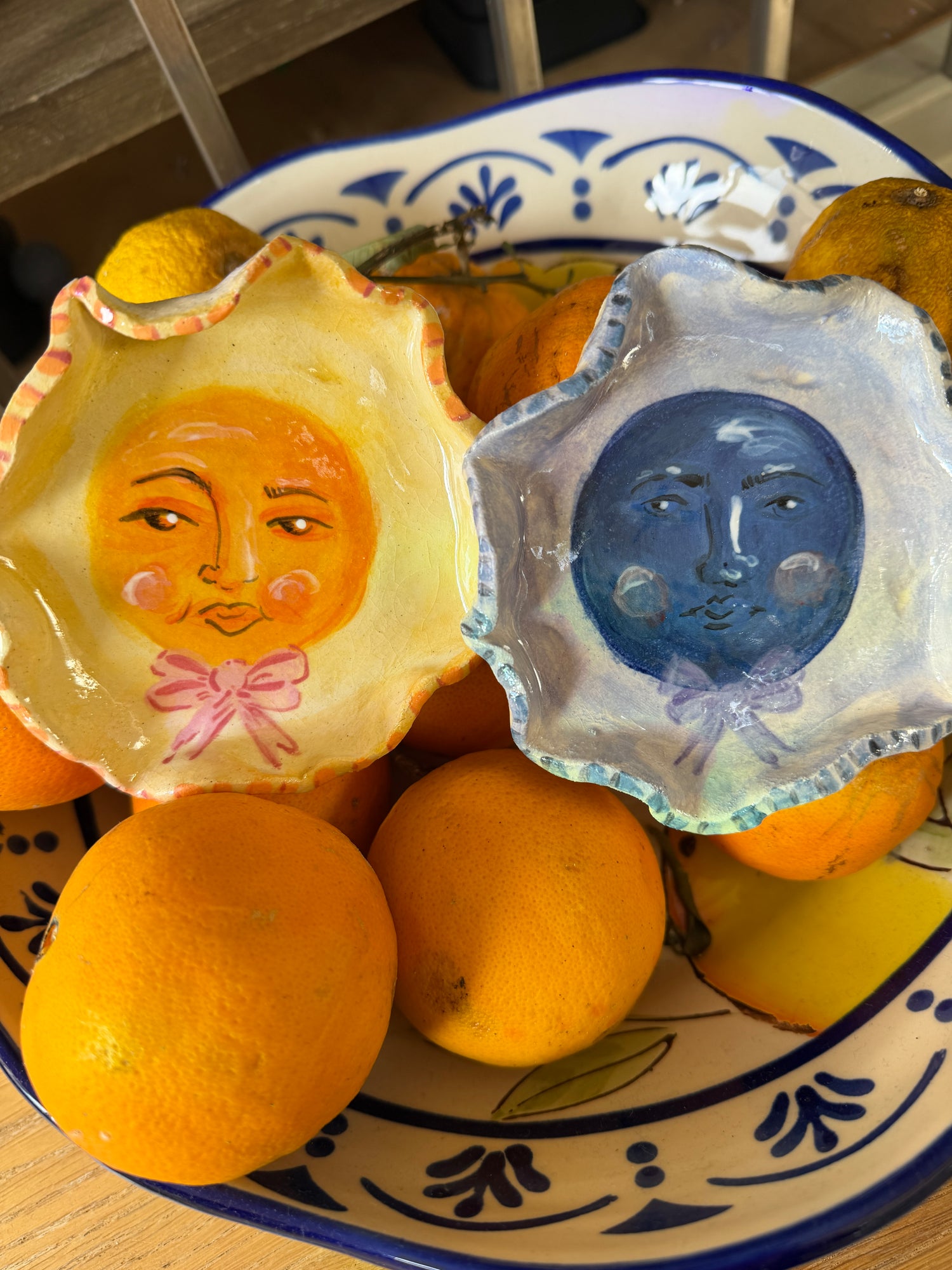
Smiling suns.
Stars on everything.
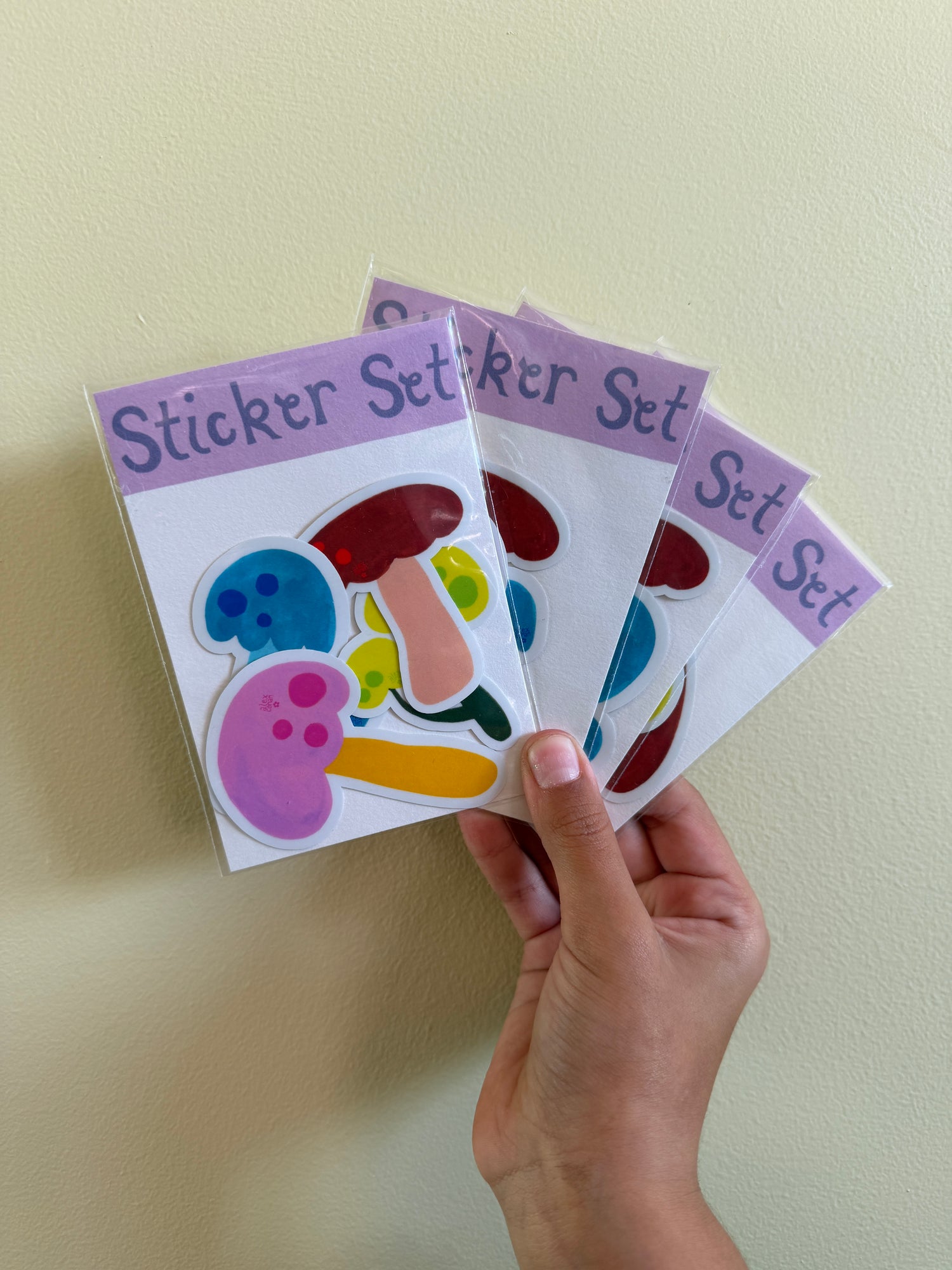
Mushrooms.
Fairies.
Magic.
Celestial bedrooms filled with incense, velvet, lava lamps and glow-in-the-dark stars.
For years that aesthetic quietly disappeared.
Now it’s back.
If you’ve stepped foot inside a shop lately, you’ve probably felt a sudden wave of 90s nostalgia. The "Whimsical Goth" aesthetic—think Sabrina the Teenage Witch, Practical Magic, and velvet everything—is officially back. We’re talking celestial suns, moody moon phases, and quirky cottagecore mushrooms everywhere.
As a creator, part of me is thrilled to see the world finally embracing the witchy, cosmic vibes I’ve loved for years. But as an independent artisan? Seeing this aesthetic hit the mega-retail chain pipelines brings a distinct mix of existential dread and frustration.
Let's talk about what happens when corporate manufacturing copies the handmade soul.

The Budget-Chain Takeover
This trend isn't just trickling down; it’s flooding the market. Budget chains worldwide are rolling out their own version of "90s whimsy." In the US, shops like Michael’s are packing their seasonal aisles with celestial collections. Closer to home in Australia, shelves at The Reject Shop are stacked high with budget-friendly cosmic décor. I visited my local Reject Shop and had mixed feelings about what I saw.
The Illusion of Handmade: I found 3D ceramic mushroom mugs priced at just $3. What really stings is the prominent "Hand Painted" sticker slapped on the front. While technically passed through human hands on an assembly line, it intentionally mimics the language of independent pottery studios.
The Fast-Fashion of Décor: I noticed the shelves were loaded with $4 celestial candles, $6 hamsa stands, $10 velvet moon phase cushions, and $12 gold insect clocks.
On the surface, it’s a whimsical paradise. But for a small business, it introduces a massive hurdle.
The True Cost of a $3 Mug
When retail giants mass-produce these complex, niche designs at sweatshop-low prices, it fundamentally alters how consumers perceive value.
The Reality Check: A mass-produced item relies on massive economies of scale, synthetic materials, and often underpaid factory labour. An independent artisan relies on literal hours of focused labour, high-quality materials, studio rent, and years of honed skill.
When a consumer gets used to seeing a "hand-painted" mushroom mug for $3, it makes you question whether it was ethically produced. A AU$70 ceramic mug from a local maker suddenly feels "expensive" to them. It skews price expectations and devalues the actual time, sweat, and tears that independent creators pour into their craft. 
Why Mass Produced Magic Can’t Replace the Real Deal
It is incredibly discouraging to watch corporate entities capitalise on a subculture and an aesthetic that independent makers kept alive long before it was profitable. However, there is a silver lining.
Fast homewares might look cute from a distance, but they lack a soul. Here is why mass production can never truly replace an artisanal creator:
Quality vs. Quantity: A $10 budget cushion or a factory-moulded tray will eventually wear out. Artisanal pieces are built to last, crafted with premium materials and structural integrity.
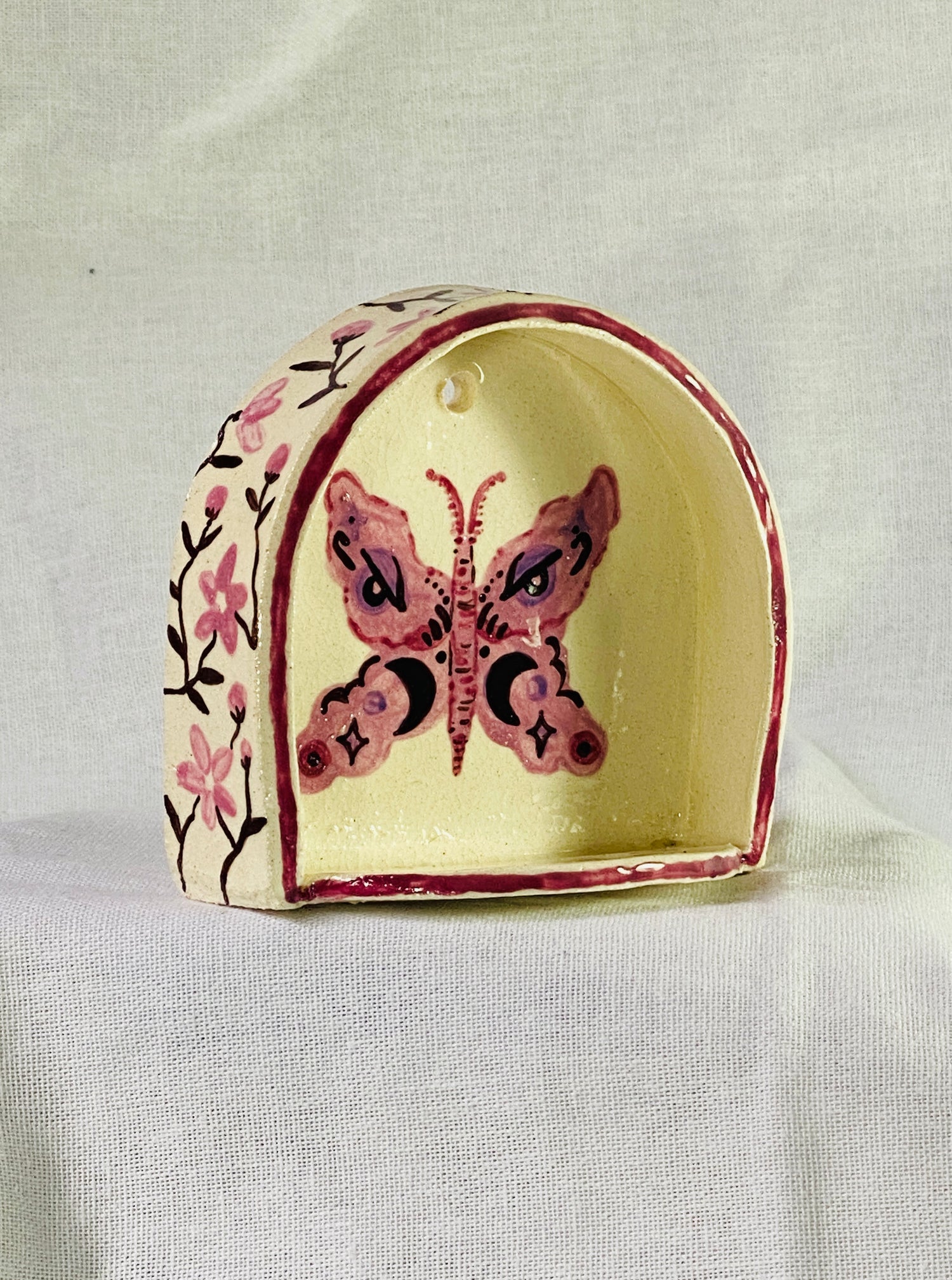
True Uniqueness: When you buy from a mass retailer, thousands of other people have the exact same item on their shelves. When you buy from an artisan, you are buying a piece of art where no two items are exactly alike.
Intentional Energy: There is a distinct, tangible energy in an item made by someone who loves what they do. You can't manufacture that in a factory.
Final Thoughts:Choose Where You Cast Your Spell
There’s no shame in picking up a cheap candle holder if you're on a strict budget. But if you truly love the whimsy goth aesthetic, remember to support the creators who live and breathe it—not just the corporations renting it for a fiscal quarter.
The next time you're tempted by a corporate aisle full of cosmic trinkets, consider saving up for a piece that has a real story, made by a real person.
With gratitude
Alex